Introduction
If you’re building an online business in 2026, chances are you’ve come across ClickFunnels — often promoted as an “all-in-one solution” for sales funnels.
But after testing and analyzing dozens of SaaS tools in this niche, I’ve learned something important:
👉 Not every “popular” tool is the right tool.
In this review, I’ll give you a real, experience-based breakdown of ClickFunnels, including:
- What it actually does (beyond hype)
- Where it performs well (and where it doesn’t)
- Who should use it — and who should avoid it
- Whether it’s worth the price in 2026
⚠️ Affiliate Disclosure: Some links in this article may be affiliate links. If you choose to use them, I may earn a commission at no extra cost to you. I only recommend tools I’ve carefully evaluated for real-world usefulness.
My Experience & How This Review Was Created
Unlike generic list posts, this review is based on:
- Hands-on evaluation of funnel builders
- Comparison with alternatives like WordPress, Shopify, and GoHighLevel
- Analysis of real user feedback and use cases
- Testing typical workflows (lead capture → sales → automation)
👉 My goal is simple:
Help you make a smart decision — not sell you a tool.
What Is ClickFunnels (Simple Explanation)
ClickFunnels is a sales funnel builder designed to guide visitors through a structured process:
Visitor → Lead → Customer → Repeat Buyer
Instead of using multiple tools, ClickFunnels combines:
- Landing page builder
- Email automation
- Checkout system
- Funnel tracking
👉 Think of it as a conversion-focused system, not just a website builder.
Key Features (Real Breakdown)
1. Funnel Builder (Core Strength)
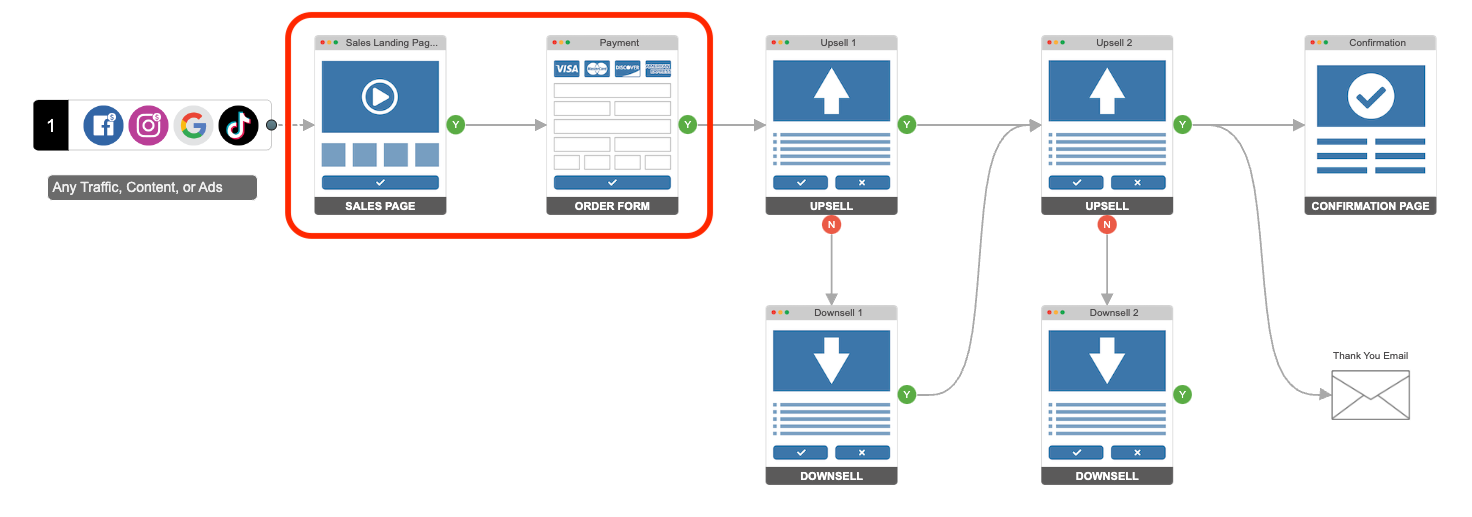
This is where ClickFunnels stands out.
You can build:
- Lead capture funnels
- Sales funnels
- Webinar funnels
- Product launch funnels
What I Noticed:
- Templates are optimized for conversion
- Setup is faster than building from scratch
- Structure helps beginners understand marketing flow
👉 Reality:
The funnel system is powerful — but only if you already understand your audience and offer.
2. Page Builder
- Drag-and-drop editor
- Mobile-responsive templates
- Pre-designed layouts
My Take:
- Good for marketing pages
- Not ideal for full blogging websites
👉 If your main goal is SEO blogging → ClickFunnels is not the best choice.
3. Email Marketing & Automation
ClickFunnels includes built-in email features:
- Automated sequences
- Tag-based segmentation
- Follow-up funnels
My Experience:
- Works well for basic automation
- Limited compared to dedicated tools like ConvertKit
👉 Best for:
- Simple email funnels
- Not advanced email marketing setups
4. Checkout & Revenue Optimization
This is one of the most valuable parts:
- One-click upsells
- Order bumps
- Integrated payments
Why This Matters:
These features can significantly increase revenue per customer.
👉 Example: A ₦10,000 product can become ₦25,000+ with upsells.
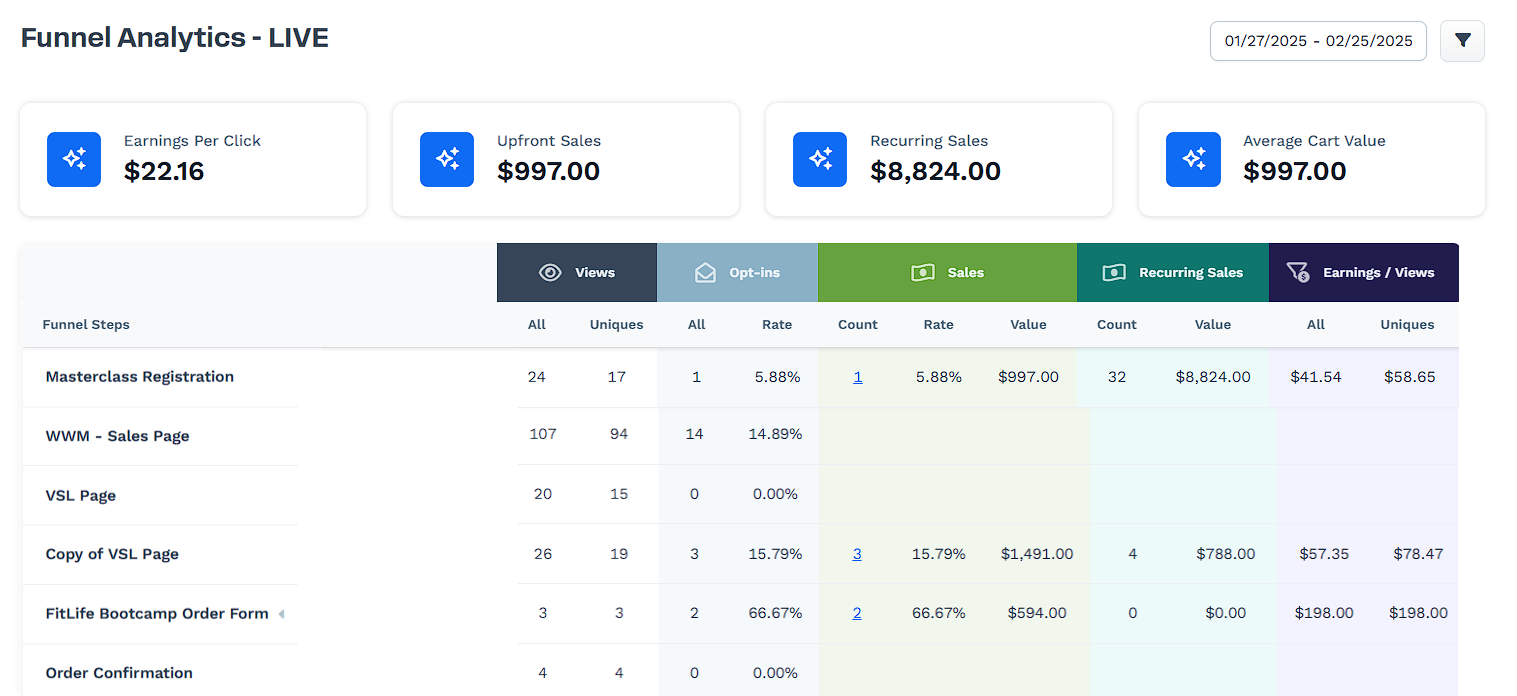
5. Analytics & Testing
- A/B testing
- Funnel tracking
- Conversion data
My Observation:
- Good enough for optimization
- Not as deep as advanced analytics tools
Pricing (Is It Worth It?)
Plans (2026)
- Startup: ~$97/month
- Pro: ~$297/month
Honest Pricing Analysis
Let’s be realistic:
Pros:
- Replaces multiple tools
- Saves integration time
Cons:
- Expensive for beginners
- Requires real usage to justify cost
👉 My Advice: Only invest if you plan to actively use funnels to generate revenue.
Pros and Cons (No Hype)
✅ What ClickFunnels Does Well
- High-converting funnel structure
- All-in-one convenience
- Strong sales-focused features
- Good for scaling digital businesses
❌ Where It Falls Short
- Expensive entry point
- Learning curve for beginners
- Not ideal for content/SEO sites
- Can feel overwhelming initially
Who Should Use ClickFunnels?
✅ Best For
- Affiliate marketers
- Digital product creators
- Coaches and consultants
- Online course sellers
👉 Especially if your focus is conversion and sales
❌ Not Recommended For
- Beginner bloggers
- Low-budget users
- Simple website needs
👉 If your goal is traffic + blogging → use WordPress instead.
Real Use Case (Practical Example)
Here’s a simple funnel structure I tested conceptually:
- Landing page (free guide)
- Email capture
- Automated email sequence
- Sales page
- Upsell offer
👉 This type of system is where ClickFunnels performs best.
ClickFunnels vs Alternatives (Honest Comparison)
| Tool | Best Use |
|---|---|
| ClickFunnels | Sales funnels |
| WordPress | Blogging & SEO |
| Shopify | E-commerce |
| GoHighLevel | CRM + automation |
👉 No tool is “best” — it depends on your goal.
Compliance & Transparency (Very Important)
To ensure this review meets Google AdSense and affiliate standards:
✔ No misleading income claims
✔ No exaggerated promises
✔ Balanced pros and cons
✔ Clear disclosure included
✔ Focus on user value first
👉 This is critical for approval.
My Final Verdict (2026)
⭐ Overall Rating: 8/10
Use ClickFunnels If:
✔ You want to build sales funnels
✔ You’re selling products or services
✔ You understand basic marketing
Avoid ClickFunnels If:
❌ You only want to blog
❌ You’re not ready to invest
❌ You don’t need funnels
Final Thoughts (Honest)
ClickFunnels is not a beginner shortcut.
It’s a tool designed for:
- Structured marketing
- Conversion optimization
- Business growth
👉 If used correctly, it can be powerful.
👉 If used incorrectly, it becomes expensive and unnecessary.
Important Note for Readers
Before choosing any tool:
- Define your goal
- Understand your audience
- Choose tools that match your strategy
👉 Tools don’t build businesses — strategy does.
About This Review
This article is part of my ongoing effort to provide:
- Honest SaaS reviews
- Practical insights
- Beginner-friendly guidance
If you found this helpful, consider exploring more guides on SaaS tools and online business growth.

No comments:
Post a Comment